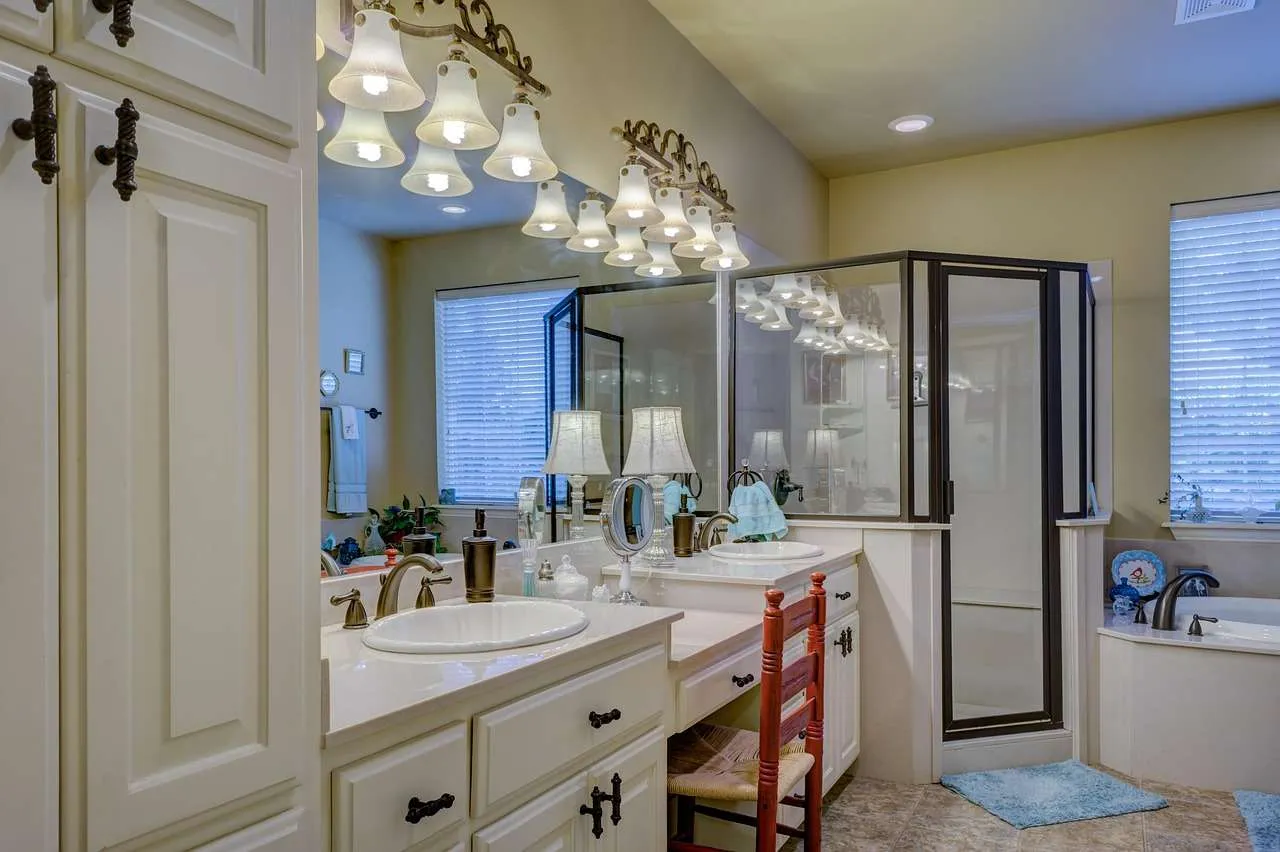
As a seasoned designer and SEO strategist with more than ten years of experience helping homeowners reimagine small spaces, I understand that small bathroom ideas must balance form and function. This guide provides practical, evidence-based strategies to maximize every inch while maintaining a cohesive, stylish look for your compact bathroom.
Key principles for small bathroom ideas
To create a room that feels larger, start with a plan that prioritizes proportion, light, and moisture management. Use mirrors and reflective surfaces to bounce light, keep fixtures compact, and choose materials that are easy to clean and resistant to humidity. Think vertical as well as horizontal space; wall mounted pieces and tall storage free up floor area and visually open the room.
Layout strategies that maximize space
Smart layouts are the foundation of effective small bathroom ideas. Consider options such as a pocket door to eliminate door swing interference, a wall mounted toilet for more visible floor space, and a corner or wall mounted sink to free room in front of the vanity. If possible, place the shower or tub along a long wall to create a single streamlined zone rather than a fragmented layout.
Fixtures that save space
Choose compact fixtures designed for small baths. A pedestal or slim wall mounted sink, a compact vanity with shallow depth, and a concealed cistern toilet can dramatically reduce footprint. Frameless glass shower enclosures visually expand the space, while curved corner shower pans can save inches without sacrificing comfort.
Storage ideas that reduce clutter
Storage is the backbone of effective small bathroom ideas. Use recessed niches in the shower, medicine cabinets with mirrored fronts, and tall slim cabinets that stretch to the ceiling. Open shelves with baskets or bins keep daily essentials accessible while maintaining a tidy look. Consider a vanity with built-in organizers and pull-out trays to maximize every inch.
Color, materials and finishes
Light colors and large format tiles create a sense of openness. Cool neutrals, soft whites, and pale pastels reflect more light and help the space feel bigger. Choose matte or satin finishes that resist water spots and provide slip resistance on floors. Reflective glass, chrome, or brushed nickel finishes add brightness without heaviness.
Lighting and ventilation
Layered lighting is essential in a small bathroom. Combine ambient ceiling lighting with task lighting around mirrors and under cabinets. LED strip lighting along the vanity or behind a mirror adds depth without widening the room. Effective ventilation prevents moisture buildup, preserving surfaces and reducing mold risk.
Budgeting and planning for small bathroom ideas
Begin with accurate measurements and a clear plan. Decide whether you are refreshing the look or undergoing a full remodel. Create a realistic budget that accounts for plumbing changes, fixtures, tiling, and professional labor. For many homeowners, a phased approach—updating fixtures first, then storage and finishes—offers the best balance of cost and impact. Always request multiple quotes and check references to reinforce trust and reliability.
Budget-friendly versus premium options
Small bathroom ideas can be executed at varying price points. Budget-friendly moves include repainting, updating hardware, adding open shelving, and selecting space saving fixtures. Premium choices add custom cabinetry, high end fixtures, larger format tiles, and a full fixture reconfigurations. Regardless of budget, prioritize solutions that maximize space, lighting, and maintenance ease.
Comparison table: space saving ideas
| Idea | Layout/Fixture | Pros | Cons | Best For |
|---|---|---|---|---|
| Pocket door | Sliding door that tucks into wall | No door swing; saves floor space | Installation complexity and cost | Very small to mid-size baths |
| Wall mounted fixtures | Toilet and sink mounted on wall | Clear floor space; easier cleaning | Requires proper framing and support | Slim bathrooms needing openness |
| Glass shower enclosure | Frameless glass panels | Visual openness; light diffusion | Higher cost and cleaning considerations | Shower zone upgrades |
| Recessed storage | Built into walls or niches | Clean, integrated look; hides clutter | Requires proper planning during rough-in | All bathrooms needing storage |
Safety and accessibility considerations
Non-slip floors, grab bars where appropriate, and accessible heights for sinks and shelves improve safety and usability for all ages. If accessibility is a goal, consider a curbless shower, wider doors, and lever handles that are easier to operate. Proper ventilation is essential to prevent mold and keep finishes looking new longer.
Establishing trust and expertise in small bathroom design
To ensure you get reliable guidance, look for designers who provide clear measurements, material samples, and a staged plan with budgets. Transparent timelines, a detailed scope of work, and references from similar projects demonstrate experience and reliability. A well-documented process helps readers feel confident in expert recommendations and reduces project risk.
Conclusion, by applying these principles—smart layout, strategic storage, appropriate fixtures, and layered lighting—you can transform even the smallest bathroom into a functional, beautiful space that feels larger than its measurements. Focus on vertical space, consistent finishes, and thoughtful details to achieve a lasting result.